
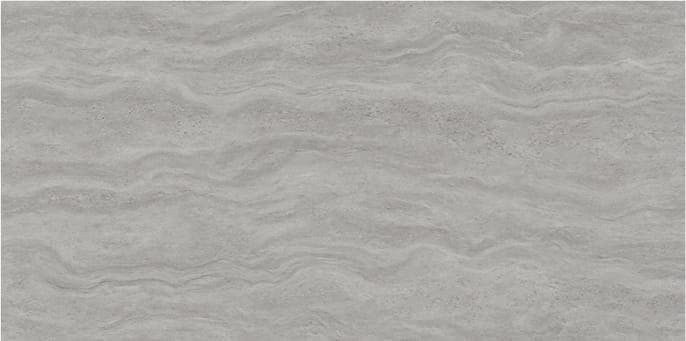
Travertine
6 shadesBanded Roman stone, six metres a man can carry
Flexible clay cladding · MCM · Bengaluru
Clay cladding 3mm thick that bends around a column, an arch or a radius — with the texture running straight through the curve. No mitres, no bespoke curved sections, no support frame.
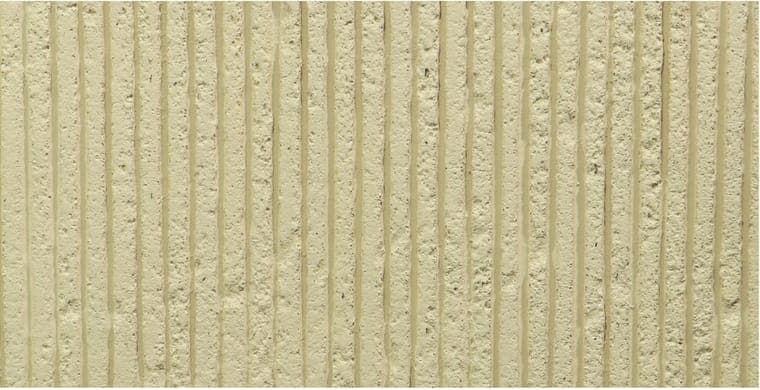
Cut Stone · CS-1
Every texture here wraps a column down to 381mm (15in) in diameter. No bespoke curved sections, no CNC, no visible cut on the face.
Curvato supplies 139 shades of flexible clay cladding across 23 collections from two branches in Bengaluru.
The material
Flexible clay cladding — the industry calls it MCM, or Modified Clay Material — starts as coloured inorganic mineral powder. That powder is blended with a high-performance water-based polymer modifier, then cross-linked and shaped by microwave irradiation rather than fired in a kiln.
What comes out is a sheet 2.5 to 3.5mm thick weighing about 4.5 kg per square metre, carrying the colour and the physical relief of real fired clay or quarried stone. Because the polymer network is cross-linked rather than vitrified, the sheet flexes cold around a column as small as 381mm (15in) in diameter and springs back.
That one property changes what is buildable. A circular column gets clad in a single continuous wrap instead of a dozen mitred segments. A curved reception front stops needing a CNC-cut stone programme. And on a high-rise elevation, the sheets add under a tenth of the dead load a stone rainscreen would.
Sixteen properties
Every claim below is a property of the material body, not of a coating applied to it — which is why the colour does not fade and the surface never needs sealing.
23 collections · 139 shades
Each collection reproduces a material that is heavy, slow or impossible to use as cladding — and delivers it as a 3mm sheet.
Banded Roman stone, six metres a man can carry
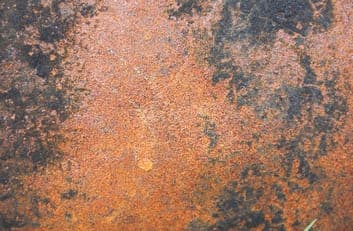
Weathered corten, twelve faces, no repeat
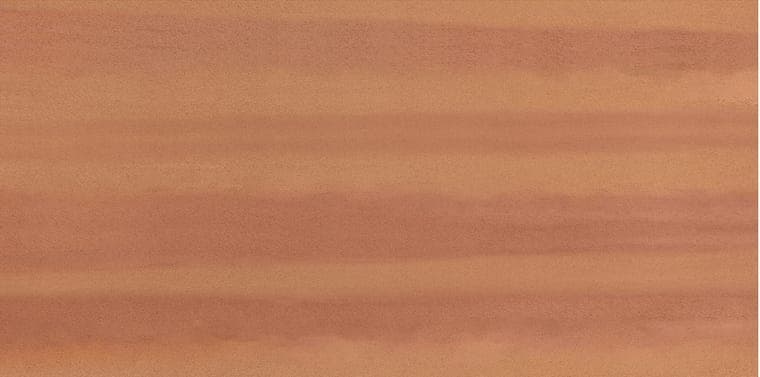
Compacted soil strata without the formwork
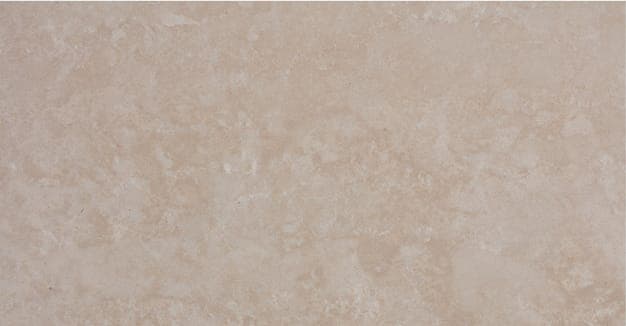
Eighteen marbles, granites and onyxes across four surface textures
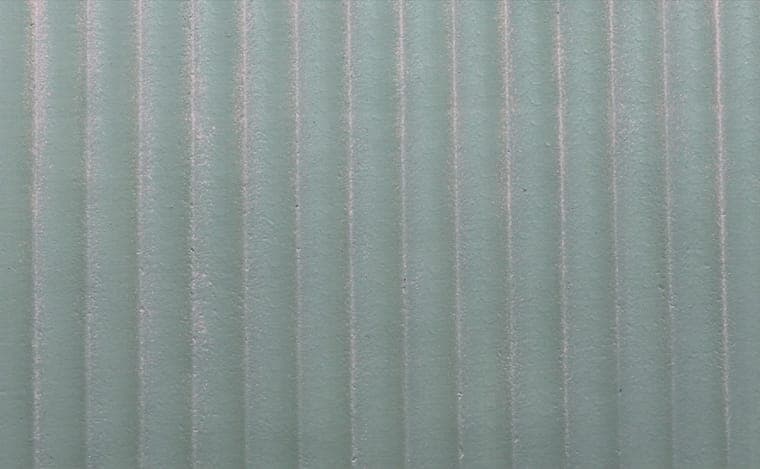
Soft vertical corrugation, six tones
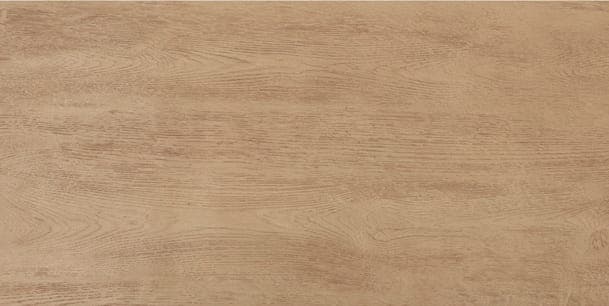
Timber that does not warp, rot or need oiling
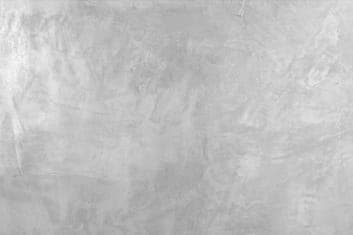
Twelve tones of poured concrete, no repeat
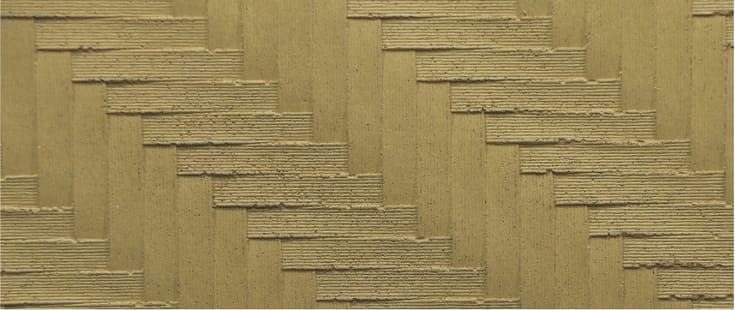
Deep basket weave and coiled rope, eight tones
Regular or Random
Every design ships in both pattern variants. It is the single decision that most changes how a finished wall reads, and it costs nothing to get right at order stage.
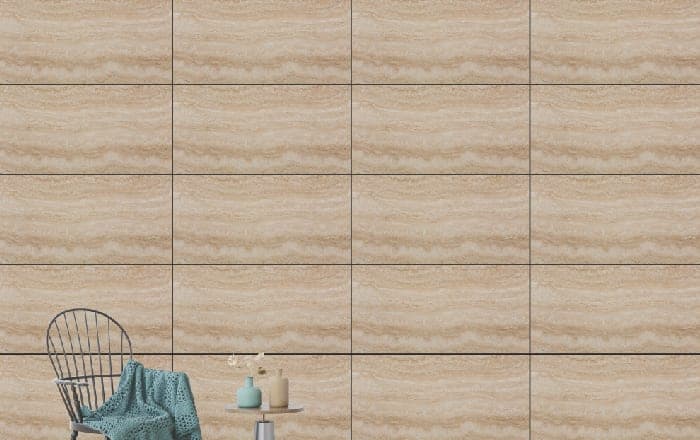
Regular pattern
Every sheet carries the same face. Veining aligns tile to tile, which is what you want for book-matched panels and tightly controlled walls.
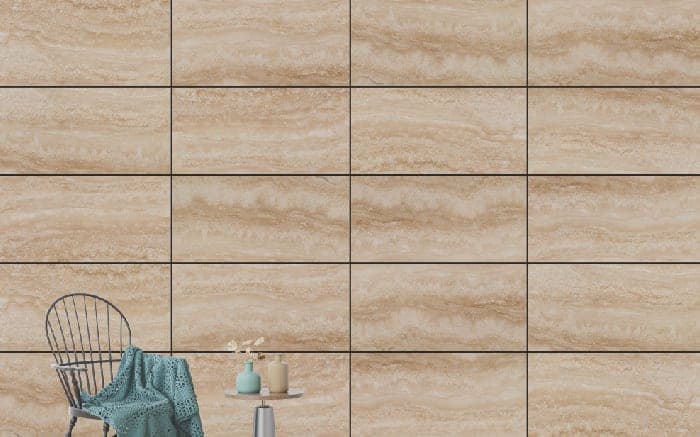
Random pattern
Each sheet carries a different face. Nothing repeats, so a large wall reads as genuinely quarried. Worth specifying above about six square metres.
Get a quote
Area, substrate and the finish you have in mind. We come back with shade options, a written price and a lead time — usually the same working day.
Prefer to talk it through? Both Bengaluru branches are on +91 63647 36464.
Send us the area, the substrate and the finish you have in mind. We reply with shade options, a written price and a lead time — usually the same working day.
The enquiry form loads in a moment. If it does not, email us at enquiry@curvato.in and we will pick it up from there.
Applications
Six situations where a 3mm bonded sheet solves a problem that a rigid slab creates.
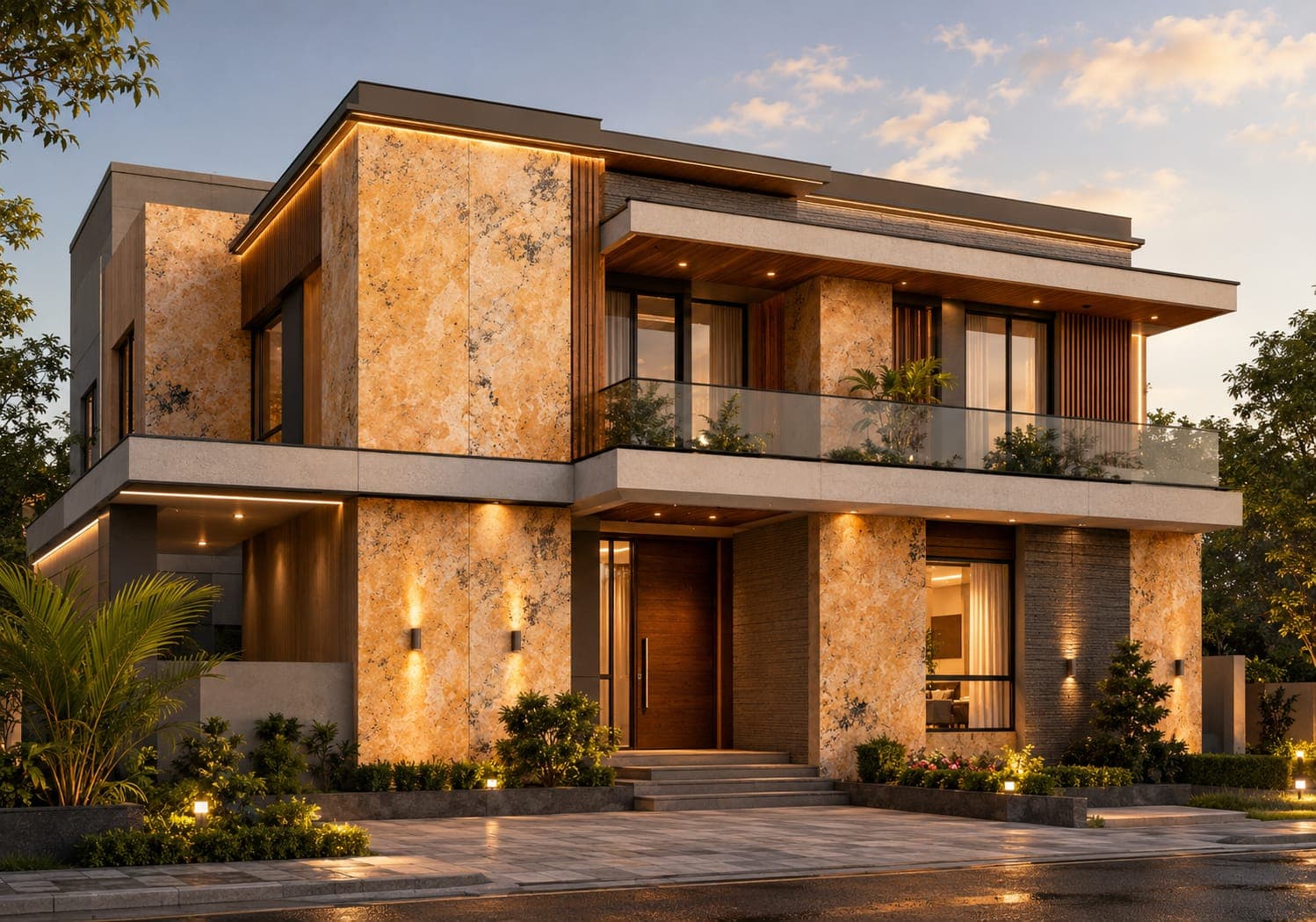
Full elevations, parapets and boundary walls, without adding dead load to the structure.
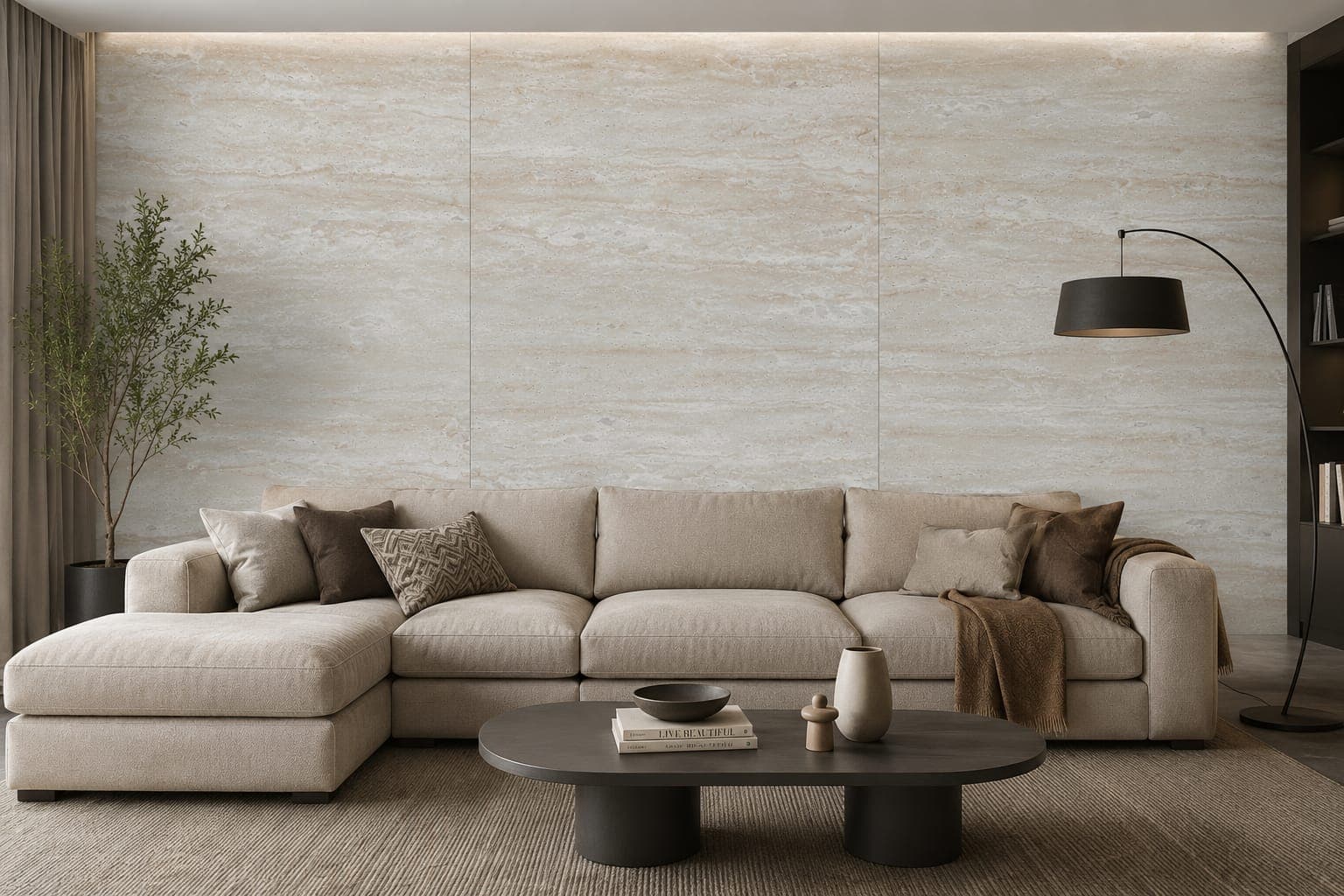
Full-height walls behind reception desks, beds and bars, in textures that would be impractical in stone.
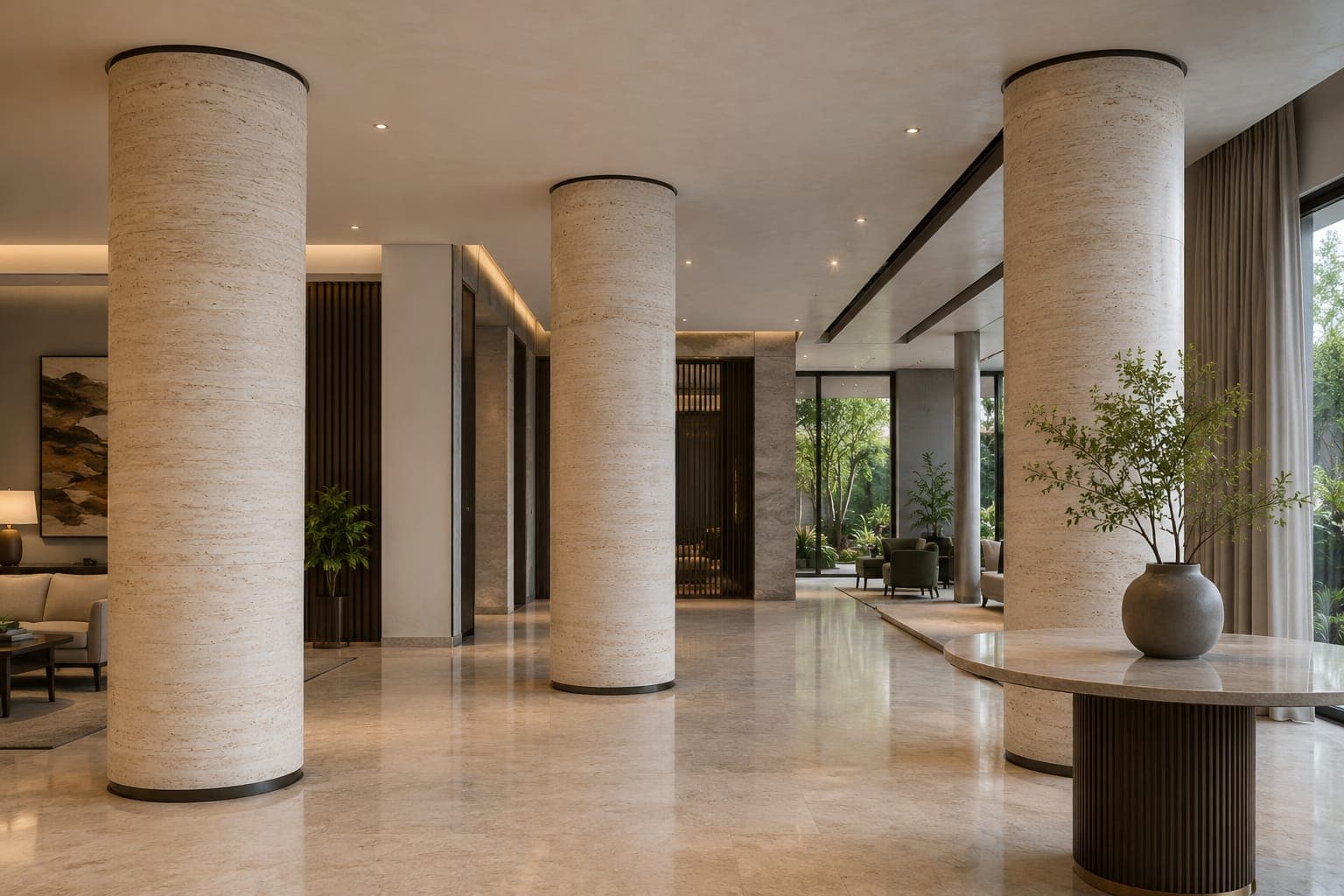
Circular columns, arches, barrel vaults and curved walls — clad continuously, with no cut lines.
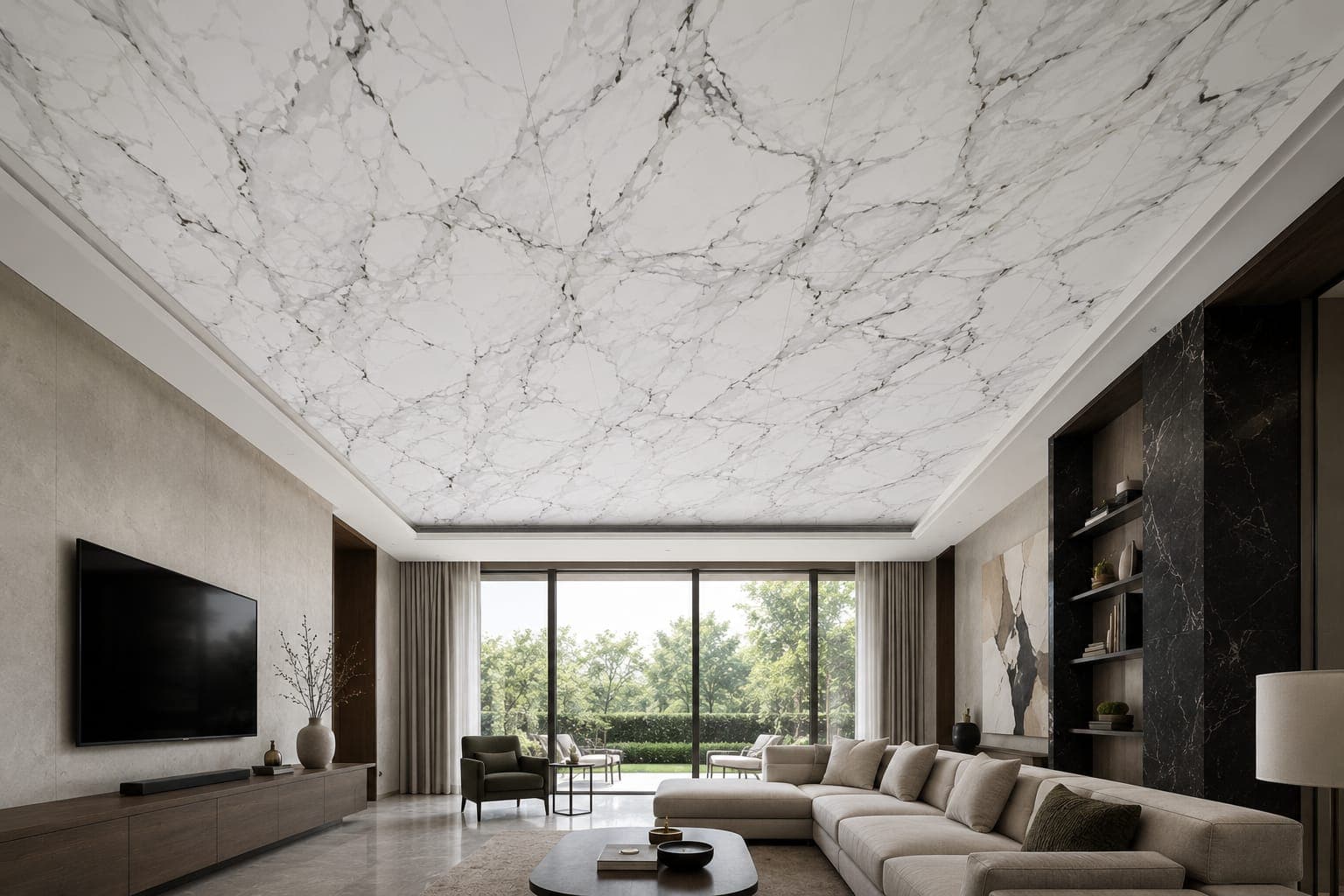
Overhead planes, coves and drop ceilings, where 4.5 kg per square metre is the whole argument.
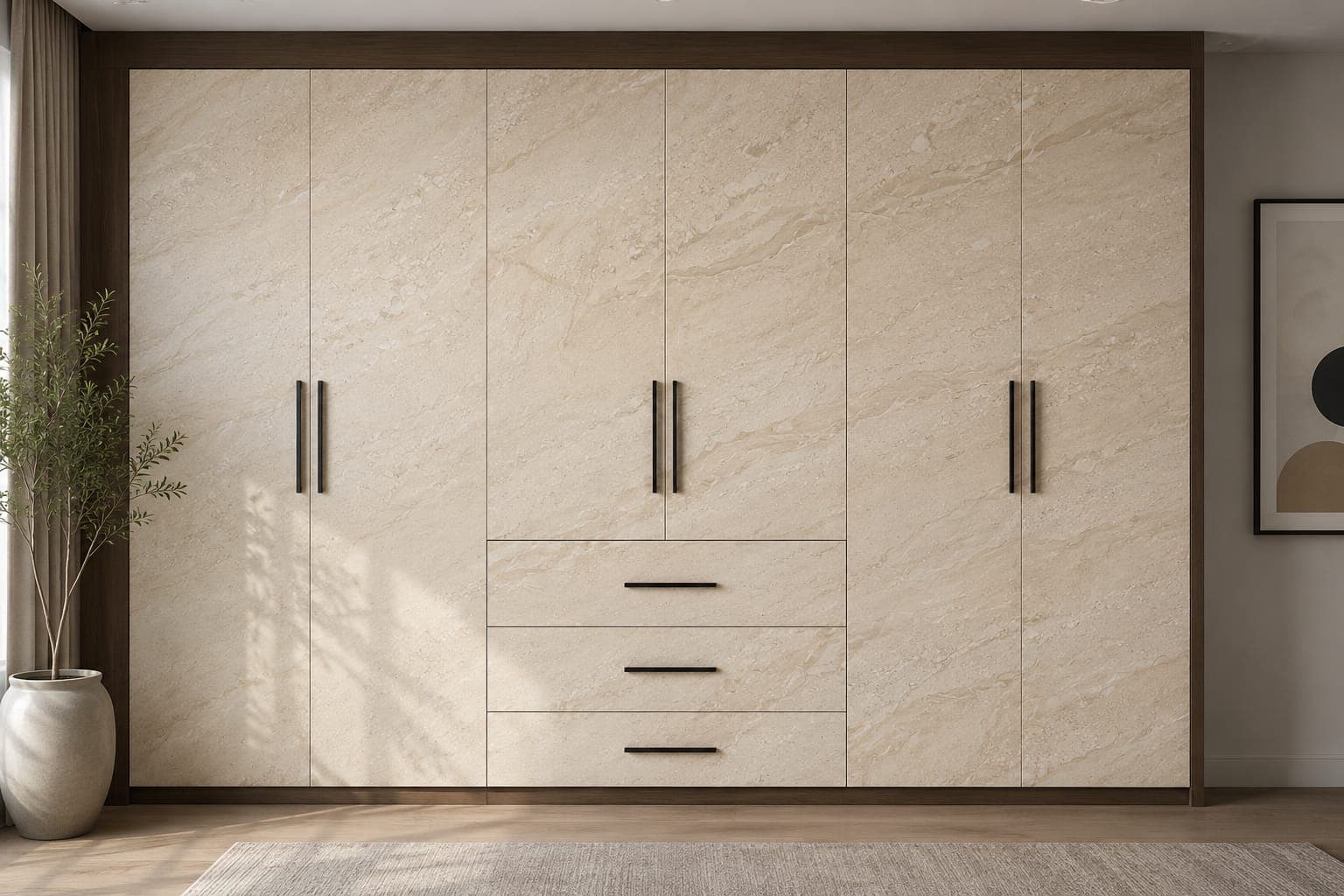
Wardrobe fronts, cabinet shutters, reception desks and island facings, in stone that a hinge can carry.
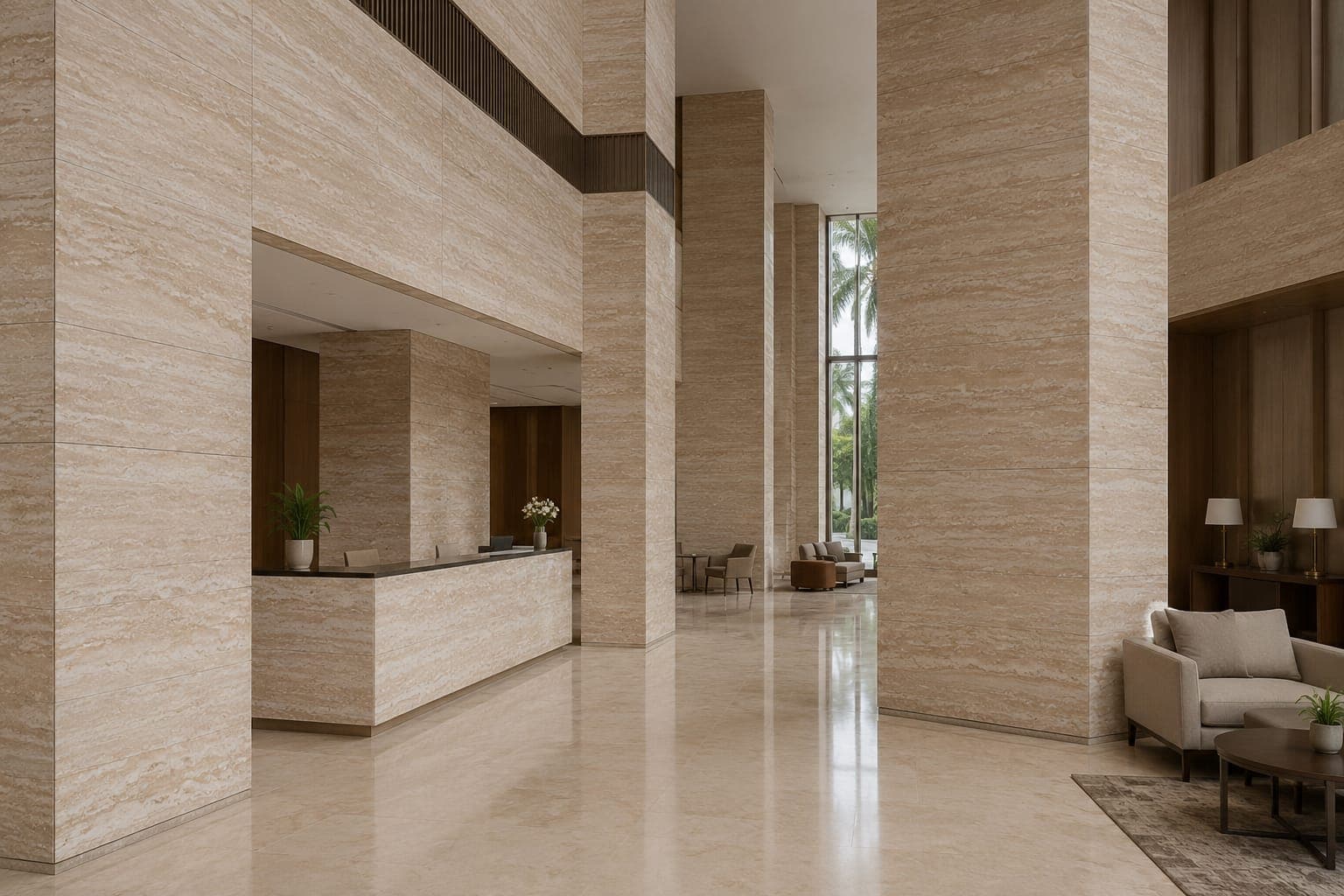
Lobbies, lift cores, stair wells and circulation — surfaces that take daily contact and still have to look new.
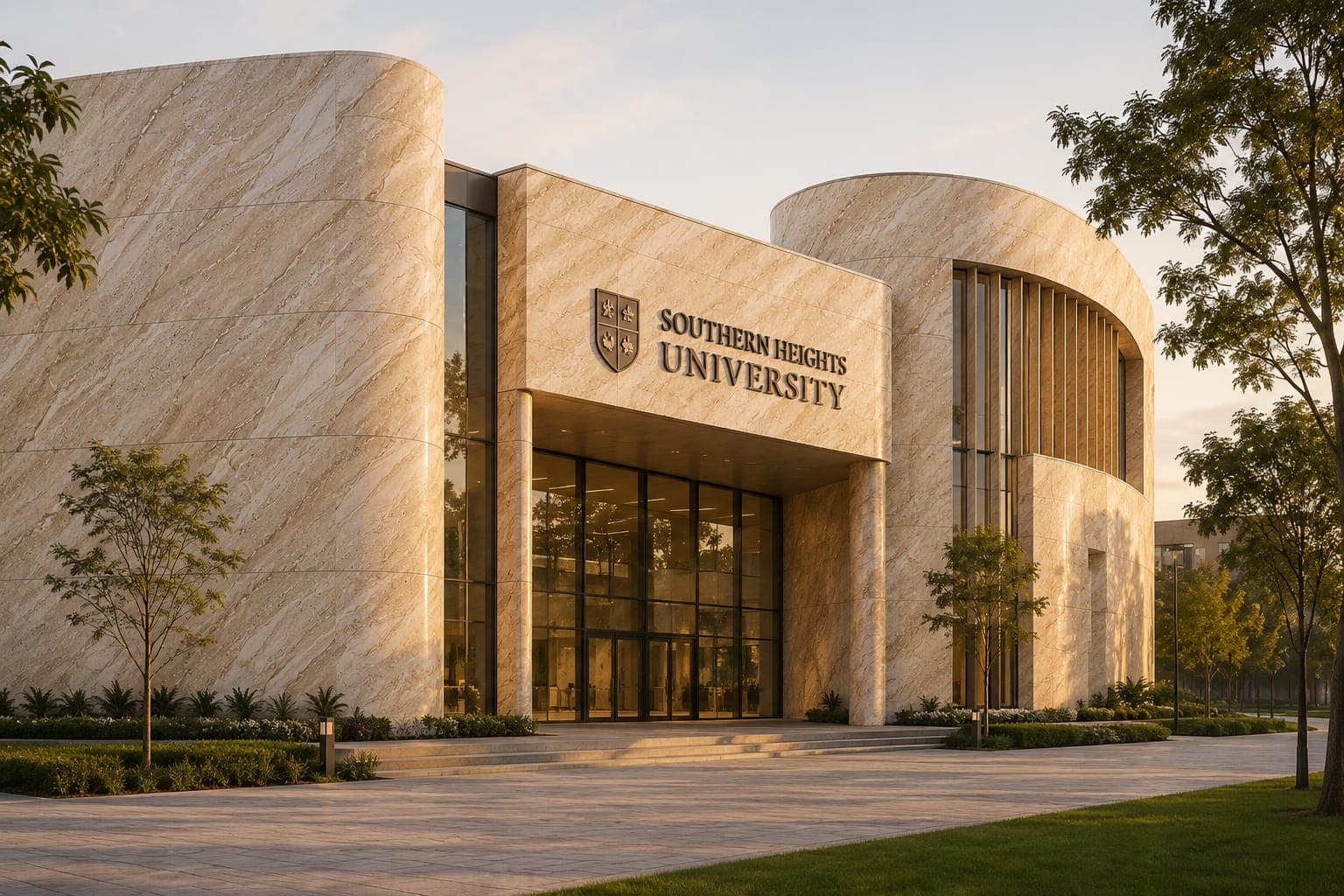
Universities, hospitals, campuses and civic buildings, where fire classification and maintenance decide the specification.
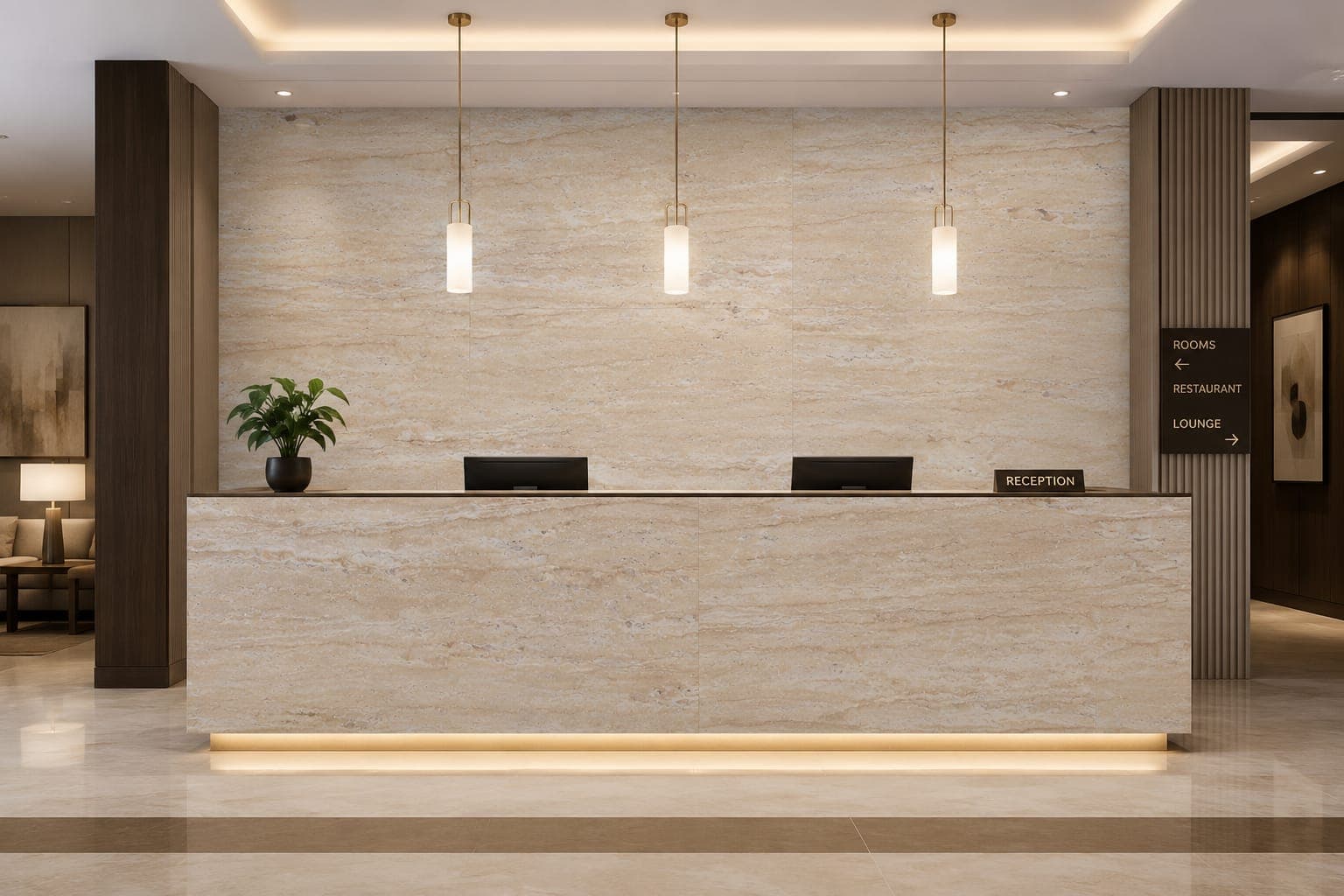
Hotels, restaurants and spas, where the finish has to be tactile at arm's length and survive a wet room.
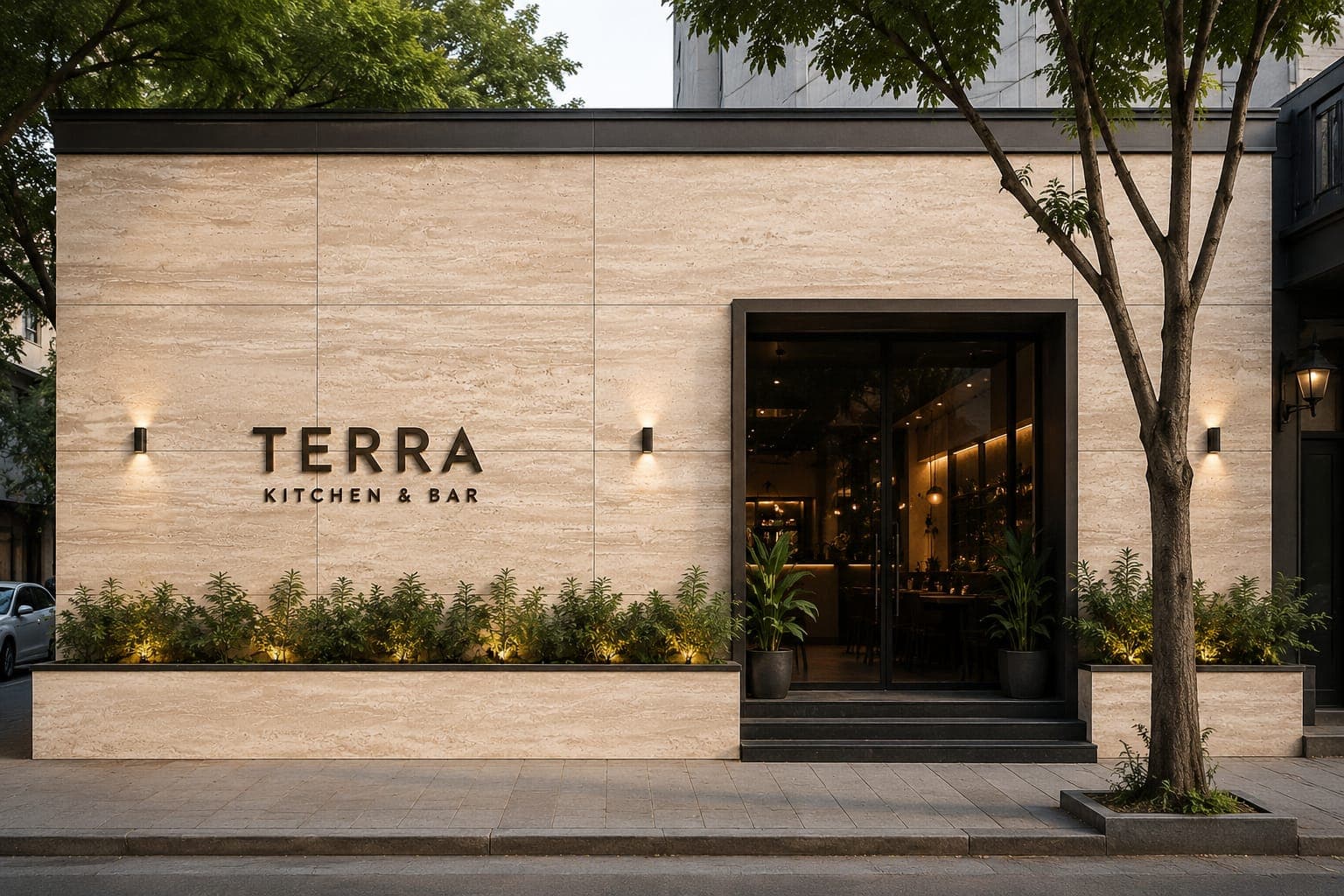
Shopfronts, fitting rooms and brand walls, on fit-out programmes that do not allow for wet trades.
Against the alternatives
The eight criteria a specifier actually weighs up, with the honest answer in each row — including the two where clay is simply level with stone.
| Criterion | Flexible clay (MCM) | Natural stone | Ceramic tile |
|---|---|---|---|
| Safety | Light and thin — nothing heavy enough to shed off a high-rise elevation. | Slabs can work loose and fall. Needs mechanical fixing above low level. | Tiles can debond and fall. Same fixing constraint as stone. |
| Environment | Recyclable. No quarrying, no deforestation, no kiln firing. | Quarrying and site clearance, with heavy extraction impact. | High-temperature firing means high CO₂ and significant waste. |
| Durability | Weather resistant, anti-fungal, freeze-thaw stable and UV stable. | Durable, but stains, needs sealing and weathers unevenly. | Durable, though glaze can craze and grout lines discolour. |
| Fire | Level A1 — the highest non-combustible classification. | Non-combustible. | Non-combustible. |
| Construction | Cut with a knife, fixed with adhesive. Fast, dry, no specialist trade. | Heavy handling, wet cutting, mechanical fixing, slow. | Heavy handling, wet cutting, levelling systems, slow. |
| Cost to install | Low. No frame, no structural allowance, less labour on site. | High. Support frames, skilled masons, longer programme. | Relatively high. Levelling, grouting and a longer programme. |
| Logistics | Rolls flat. A truck carries many times the covered area. | Very heavy. High freight cost and breakage in transit. | Heavy and fragile. Breakage allowance built into every order. |
| Expressiveness | Imitates stone, wood, grain, fabric and metal, with real relief. | Excellent depth, but limited to the colours the quarry yields. | Good flat colour, but printed depth reads flat at close range. |
Questions
MCM stands for Modified Clay Material. It is a cladding made from coloured inorganic mineral powder — clay-based — blended with a high-performance water-based polymer modifier, then cross-linked and shaped by microwave irradiation. The result is a thin, lightweight sheet that carries the texture and colour of fired clay or natural stone but bends cold around a curve.
Finished thickness is 2.5–3.5mm depending on the collection, and weight is approximately 4.5 kg per square metre. For comparison, a 25mm natural stone slab weighs roughly 55–65 kg per square metre, so the same elevation carries under a tenth of the dead load.
The limit is quoted as a diameter: the tightest circle the sheet forms cold is 381mm — 15 inches — across, which is a 190mm radius. In practice that means it wraps any circular column of 381mm diameter or more, plus arches, barrel vaults, coves and curved reception fronts, with no heat, scoring or relief cuts. Vertically corrugated collections such as Ripple Stone and Liner Stone handle the tightest end best, because the corrugation absorbs the compression on the inner face. Below 381mm diameter, and on a sharp external arris, the bend is outside what the material will do — those need a radiused substrate or a conventional mitre.
Yes — Level A1, the highest non-combustible classification. That is what makes it usable on high-rise elevations, escape routes and protected stair cores where combustible cladding is not permitted.
Yes. It is waterproof, UV stable so a south or west elevation holds its colour, and fungus and algae resistant, which matters on a north wall through the monsoon. It is also freeze-thaw resistant, so it is suitable for hill-station projects.
As an indicative supply rate, ₹350–₹450 per sq ft, supply only, ex-Bengaluru. Where a project lands in that band depends on the collection, the pattern variant and the quantity. The figure worth comparing is the installed cost, not the material rate: there is no support frame, no structural allowance, no wet cutting and far less labour, which typically brings the total below a natural stone equivalent even where the material rate is similar. Send us your area and collection and we will come back with a written quote.
Regular pattern repeats a uniform face across every sheet, so veining and coursing align tile to tile — useful for book-matched effects and for tight, controlled walls. Random pattern varies the face sheet to sheet so no repeat is visible, which is what makes a large wall read as genuinely quarried. Above roughly six square metres, Random is usually the better call.
Maintenance is washing down with water. There is no sealing cycle, no annual oiling and no re-grouting, because the colour is mineral pigment through the body rather than a surface coating, and there are no grout lines to discolour.
Yes. Tell us the collections you are considering and we will send physical samples — worth doing before committing, because relief textures and dual-tone veining behave differently under a project's actual lighting than they do in a photograph.
We have two branches in Bengaluru — Jayanagar 9th Block and Begur — and supply across Karnataka, Tamil Nadu, Telangana, Kerala and Andhra Pradesh, with despatch to the rest of India on request.
Yes. Light passes through the body, so a panel lit from behind glows rather than staying flat — the effect people associate with backlit onyx, at a fraction of the weight and cost. Mount an even LED panel or a diffused strip array behind it rather than point sources, which show as hot spots through a 3mm sheet. Pale shades transmit most; dark ones read as a subtle halo at the joints. It works on façades, bar and reception fronts, and printed feature panels.
Get a quote
Tell us the area, the substrate and the finish you have in mind. We reply with shade options, a written price and a lead time — usually the same working day.